
Early Signs of Gum Disease You Shouldn’t Ignore
Early Signs of Gum Disease often start quietly and painlessly, which is why many people overlook them. Gum disease is one of the most common oral health conditions, yet it is also one of the most preventable when caught early. Understanding the warning signs can help you take action before minor irritation turns into long-term damage.
What Is Gum Disease?
Gum disease, also known as periodontal disease, begins when plaque builds up along the gumline. Bacteria in plaque trigger inflammation, leading to redness and irritation. In its early stage, known as gingivitis, the condition is usually reversible with proper care. If left untreated, it can progress to periodontitis, which may cause bone loss and tooth loss over time.
Bleeding Gums During Brushing or Flossing
One of the most common Early Signs of Gum Disease is bleeding gums. Many people assume bleeding is normal or caused by brushing too hard. In reality, healthy gums should not bleed regularly.
Bleeding often signals inflammation caused by plaque buildup. When addressed early with professional cleaning and improved oral hygiene, gum health can often be restored.
Red, Swollen, or Tender Gums
Healthy gums are firm and pink. If your gums appear red, swollen, or feel tender to the touch, this may indicate early gum disease. Inflammation can make gums more sensitive, even without pain.
Swelling is a sign that your immune system is responding to bacterial irritation. Ignoring this symptom allows bacteria to spread deeper below the gumline.
Persistent Bad Breath
Chronic bad breath that does not improve with brushing or mouthwash may be another of the Early Signs of Gum Disease. Bacteria trapped under the gums produce odors that are difficult to mask.
If bad breath persists despite good oral hygiene, it is important to have your gums evaluated by a dental professional.
Gum Recession or Teeth Appearing Longer
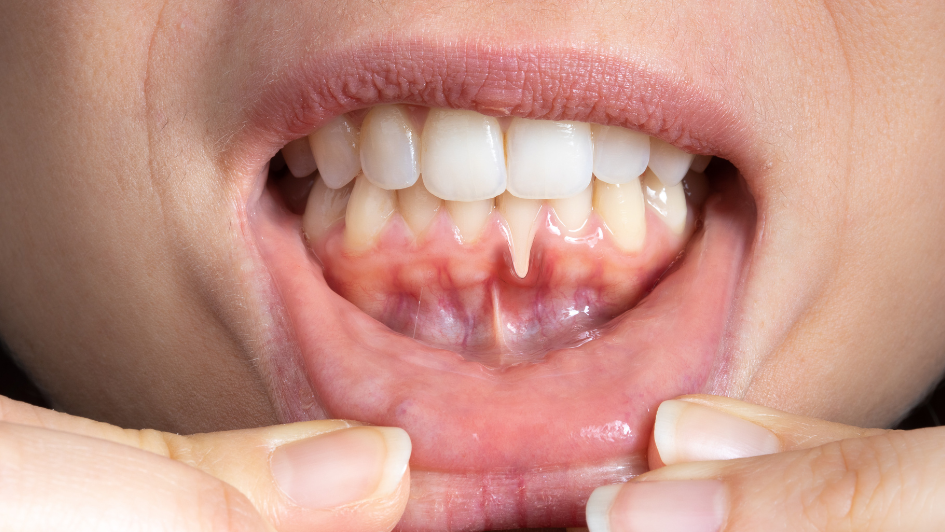
As gum disease progresses, gums may begin to pull away from the teeth. This recession can make teeth look longer and expose sensitive root surfaces.
Even mild recession should not be ignored. Early intervention can slow or stop further tissue loss and help protect tooth stability.
Changes in Bite or Tooth Sensitivity
Subtle changes in how your teeth fit together or increased sensitivity to hot and cold may signal early gum disease. Inflammation can affect the supporting structures of the teeth, leading to discomfort or shifting.
Sensitivity caused by gum recession exposes areas of the tooth that are not protected by enamel, increasing discomfort.
Why Early Treatment Matters
Addressing the Early Signs of Gum Disease promptly can prevent more serious complications. Early treatment typically involves professional cleaning, improved home care, and regular monitoring.
Delaying care increases the risk of bone loss, tooth mobility, and the need for more complex periodontal treatment later on.
How to Protect Your Gum Health
Preventive care is the most effective way to protect your gums. This includes brushing twice daily, flossing regularly, and attending routine dental checkups. Professional cleanings remove plaque and tartar that cannot be eliminated at home.
Your dentist can also recommend personalized strategies based on your risk factors and oral health needs.
Take Action Before It Progresses
Early Signs of Gum Disease are your body’s warning signals. Paying attention to these symptoms allows you to protect your smile and overall health.
If you have noticed any changes in your gums or want a professional evaluation, book your consultation with Cypress Dental today and take the first step toward healthier gums and a confident smile.